
Wildwillowhollow
Six campaigns tested1914 to todayFree to start

Free browser war strategy, read from the map table

Wildwillowhollow is a small desk of armchair generals who play twentieth-century war strategy in the browser and write up what the campaigns actually feel like: the slow build of a province economy, the treaty that collapses on day nine, the raid you steer tank by tank. Six games, tested for weeks, scored without fuss.

6games reviewed in full
4also offer a mobile app
2long-read field guides
1914earliest war on our shelf
WrenPin your capital, mind your supply lines, and answer your allies promptly.
Wren, the Wildwillowhollow guide
Call of War
#1 · Start here
7.5of 10
Our first posting for new commanders

Call of War

Call of War puts you in charge of a Second World War nation on a shared map, then lets the war unfold in real time while you sleep, work and plot. It is the clearest, best-balanced entry to the whole genre.

Up to 100 players per mapMore than 120 historically inspired unitsMatches decided by victory points or time limit

What wins us over is the rhythm. You queue research, order an armoured column across three provinces, check back at lunch and find it has arrived, or has been caught in the open by bombers you never scouted. The tech tree is broad enough that two players picking the same nation can fight very different wars, and alliances matter from the first evening. Matches run long and end on victory points or a fixed limit, so a campaign always has a finish line rather than dragging on forever.

The war room shelf

Six campaigns, from the Western Front to the missile age

Three of these are vast, slow grand strategy maps where a single match outlasts a fortnight. One adds walking iron Titans to an unfinished Great War. Two trade the world map for a base you build, defend and launch raids from. Each card tells you the era, the weekly time cost and who will love it.

Call of WarStart here01
WW2 grand strategy

Call of War

Take a Second World War nation onto a shared map with up to 100 players and run its war in real time. Research a deep tech tree, combine land, air and sea forces, and lean on allies through weeks of shifting fronts. The most balanced and approachable campaign on our shelf.

Combined forcesPersistent mapAlliances
Desktop browser; mobile app also available
Strategic depth9
Diplomacy and alliances8
Fair play without paying7
Time it asks of you6
Supremacy 1914Diplomat's pick02
Great War strategy

Supremacy 1914

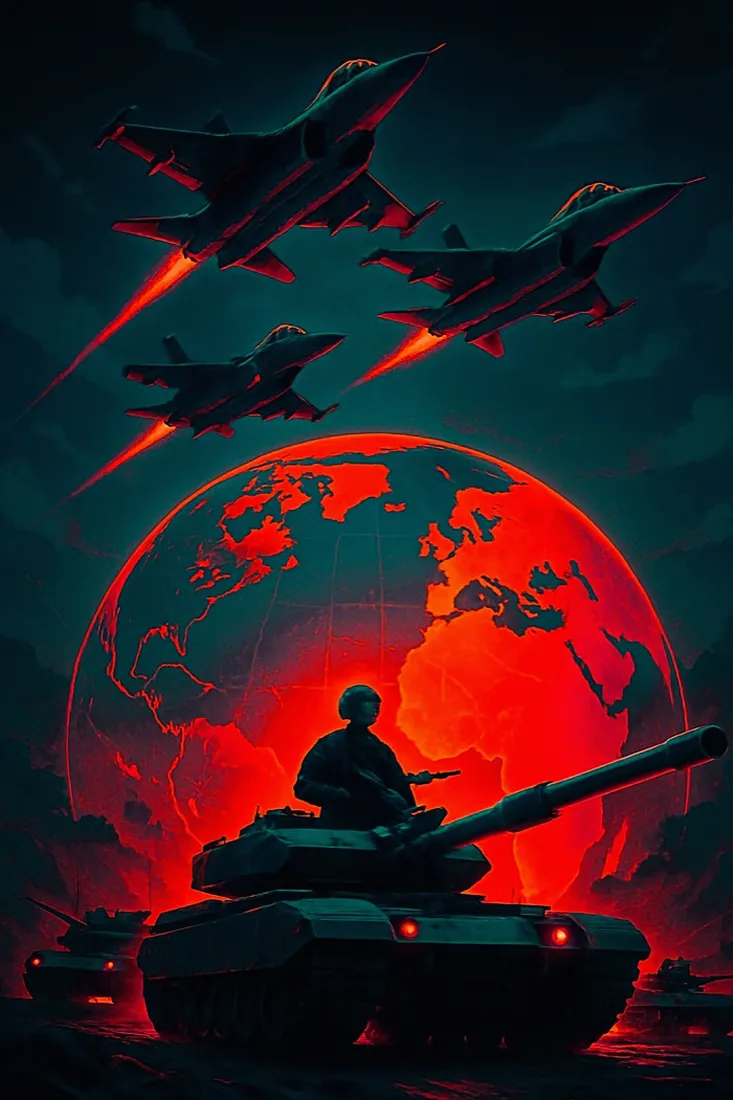
Lead a nation through the First World War on a real-time map of Europe shared with a large crowd of rival players. Balance grain, coal, iron and oil, mobilise armies that take hours to march, and do most of your fighting with words. The game where diplomacy matters most.

Real-time mapEconomy & armiesDiplomacy
Desktop browser; mobile app also available
Strategic depth8
Diplomacy and alliances9
Fair play without paying7
Time it asks of you5
Conflict of NationsModern pick03
Modern grand strategy

Conflict of Nations

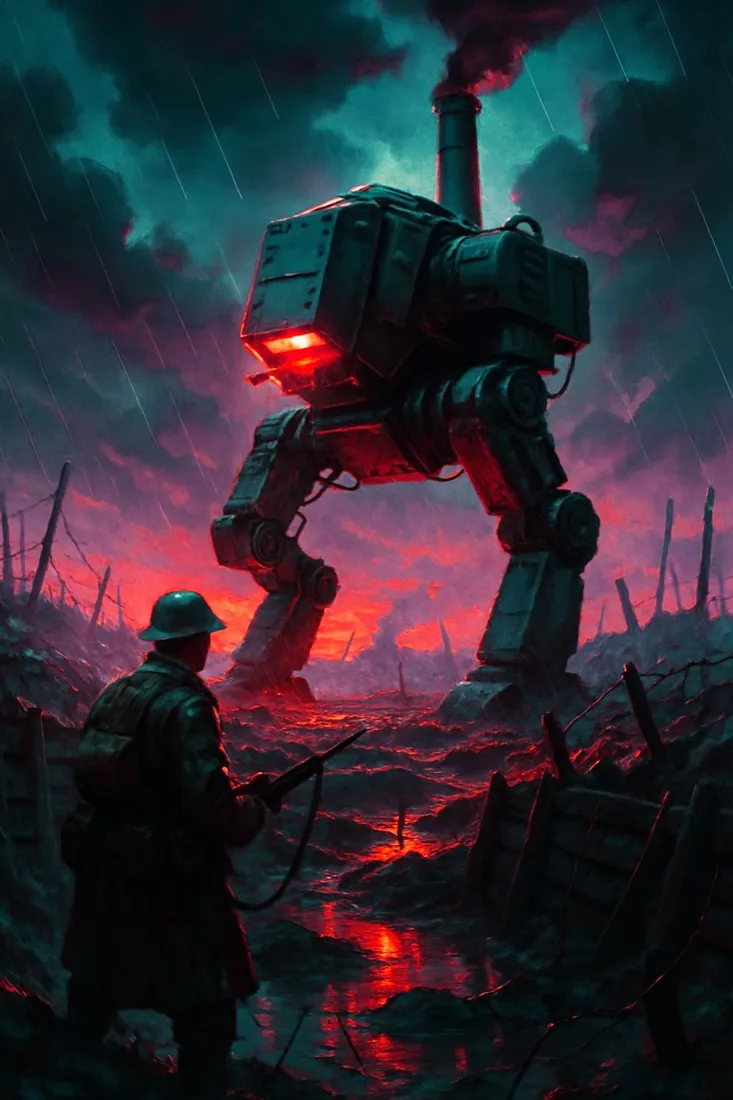
A present-day world on the brink, played out in real time across a global map. Choose a doctrine, research modern aircraft, armour and naval forces, and coordinate with a coalition through matches that run for days and weeks. Big, ambitious and at its best with a committed group.

Real-time world mapModern arsenalCoalitions
Desktop browser; mobile app also available
Strategic depth8
Diplomacy and alliances8
Fair play without paying6
Time it asks of you5
Iron Order 1919Wildest what-if04
Dieselpunk grand strategy

Iron Order 1919

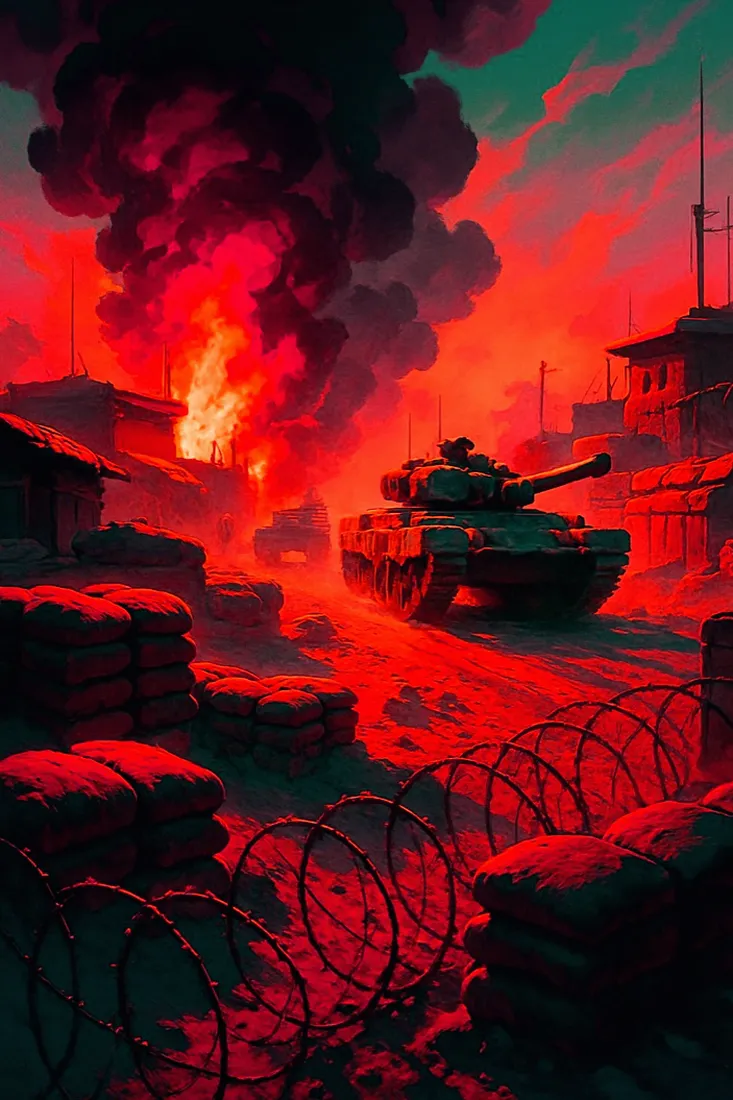
The Great War never ended, and by 1919 mechs and towering Titans stride across battle-torn Europe. Build a province economy, research strange machines, trade and betray rival players on maps for up to 26 commanders. A tighter, odder take on grand strategy with real personality.

Province economyMechs & TitansReal-time coalitions
Desktop browser; mobile app also available
Strategic depth7
Diplomacy and alliances7
Fair play without paying6
Time it asks of you6
War CommanderHands on the tanks05
Real-time base raider

War Commander

Build a fortified base of walls and turrets, then launch raids where you steer individual tanks, infantry and aircraft yourself instead of watching a battle resolve. Between attacks you rebuild, research and plan. The most hands-on war on our shelf, and the one with the most immediate thrills.

Base & turret layoutHands-on raidingEvent blueprints
Desktop browser
Strategic depth7
Diplomacy and alliances6
Fair play without paying5
Time it asks of you8
Base Attack ForceQuick evenings06
Modern base strategy

Base Attack Force

A no-install military strategy game from Swiss studio Ditogames: build and defend a base, gather resources, command groups of modern military vehicles in real time and press home an advantage with your alliance. Straightforward, compact and easy to fit around a busy week.

Base buildingModern unitsAlliance play
Desktop browser
Strategic depth5
Diplomacy and alliances6
Fair play without paying5
Time it asks of you8
Filter, sort and search all six →
Three questions, one front

Which theatre of war suits your evenings?

Answer three quick questions about era, command style and the time you can give, and Wren will point you at the campaign most likely to keep you checking the map at breakfast.

Wren
How the desk earns a score

Weeks on the map before a single word of copy

A real-time strategy match reveals itself slowly. The first evening is all tutorial; the second week is where diplomacy sours and economies buckle. So every review here is written only after we have played at least one campaign from opening move to final ranking, on a free account.

01

We sign up as a stranger and stay free

Each reviewer joins with a fresh account, picks whatever nation or starting base the game offers, and never tops up premium currency during the test. That tells us how a newcomer is actually treated: whether early research feels fair, how loudly the shop calls, and whether a disciplined free player can still hold a respectable line by the middle of the war.

Fresh accountNo top-upsNewcomer view
02

We fight a full war, not a weekend

For the grand strategy titles that means a whole match, with notes logged at each check-in: what we queued, what the neighbours did, how long armies took to arrive. For the base builders it means three weeks of raids and rebuilds. Scores are argued over only once the war is finished and the logbook is full.

Full matchDaily logbookThree-week minimum
03

We test the diplomacy on purpose

Alliances are half the genre, so we deliberately join a coalition, propose a ceasefire, and once in a while get stabbed in the back. We record how clear the tools are for messaging, sharing intelligence and coordinating attacks, and how a game's community behaves when a treaty breaks. A lonely war tells you only half of the story.

CoalitionsMessaging toolsCommunity tone

Who pays for the ink, and how we keep it honest

Wildwillowhollow is funded by a handful of partner links on our outbound buttons. That money keeps the desk running; it never buys a ranking. Our order is set by the scores, the scores come from the logbook, and when a partner game slips in our estimation it drops down the shelf like any other. If you ever think a placement looks odd, write in and we will explain the reasoning in plain view.

Pick your kind of command

Six ways to fight a century of wars

Every game here is war strategy, yet each asks for a different temperament. Find the one that sounds like you.

Theatre commander

The theatre commander who plans in fronts

You like broad arrows on a big map: armour pushing through one sector, a navy screening another, bombers softening a city ahead of the infantry. You enjoy deep research choices and a war that pays back patience over many days.

Call of War →
Statesman

The statesman who wins with a pen

You would rather negotiate a border than storm it. You enjoy reading the room on a crowded map, keeping three neighbours guessing and writing the occasional fiery dispatch. Railways, coal and grain matter to you as much as rifles.

Supremacy 1914 →
Coalition strategist

The coalition strategist with a modern arsenal

You want carriers, air superiority fighters and doctrine choices, and you are happy to coordinate with a coalition across several time zones. Long matches suit you, and you enjoy thinking several moves ahead of a fast-moving front.

Conflict of Nations →
Alternate historian

The alternate historian with a taste for iron

Strict history feels a touch limiting. You like the idea of the Great War grinding on into 1919 with dieselpunk machines striding across the trenches, and you prefer a tighter map where every rival is someone you know by name.

Iron Order 1919 →
Field officer

The field officer who wants hands on the units

Watching a battle resolve itself leaves you cold. You want to pick out the turret, steer the tanks around it and pull damaged infantry back yourself, then spend the quiet hours rebuilding your walls stronger than before.

War Commander →
Base keeper

The base keeper with a short evening

Your time comes in short bursts. You like a clear base to tend, resources ticking over, a vehicle group to send out and an alliance channel to check, without needing to read a week of diplomacy before you can act.

Base Attack Force →
Compare

Two fronts, one table

vs
Questions from the mailbag

What readers ask before their first campaign

All six are free to start and free to keep playing. Each one sells a premium currency or membership that speeds up building, research or recovery. In our tests a patient free player can compete in every game on this shelf, though some are kinder to that player than others. The fair play score on each review tells you exactly how kind.

Far longer than you might expect. In Call of War, Supremacy 1914 and Conflict of Nations, armies move in real time across a world or continental map, so one match is measured in weeks rather than hours. You do not sit at the screen throughout; you check in several times a day, give orders and let them play out.

Four of the six, Call of War, Supremacy 1914, Conflict of Nations and Iron Order 1919, run in a desktop browser and also offer a mobile app, so you can check a front on the bus. War Commander and Base Attack Force are desktop browser games. Each review lists the devices we confirmed.

Sometimes, which is why we suggest your first match is chosen with care. Several of these games offer maps or rounds aimed at newer players, and the grand strategy titles tend to start everyone at the same moment, so there is no army of veterans already waiting at your border. Base builders are less forgiving; build your defences before you start raiding.

Accurate in flavour rather than strict simulation. Supremacy 1914 and Call of War use period-styled units and real geography, yet anyone can win with any nation and history rarely repeats itself. Iron Order 1919 openly rewrites the record with mechs and Titans, and the modern games invent their conflicts outright. Treat them as what-if engines.

You can survive alone for a while, but in every game on this shelf alliances make the difference between a solid finish and an early exit. Coalitions share intelligence, cover each other's flanks and coordinate offensives. Our advice is to join something on the first or second day, even a small group, and be the reliable member who answers messages.

Call of War. Its pace is gentle at first, the interface explains itself, and the Second World War setting gives you an instinctive sense of what tanks, aircraft and navies should do. If you already know you want to steer every unit by hand rather than move armies across a map, try War Commander instead.

Muster point

Your next war starts on a quiet morning

Choose a front, sign up on a free account and give it a full week before you judge it. The best campaigns here only show their true colours once the first treaty breaks and the first big offensive rolls out.