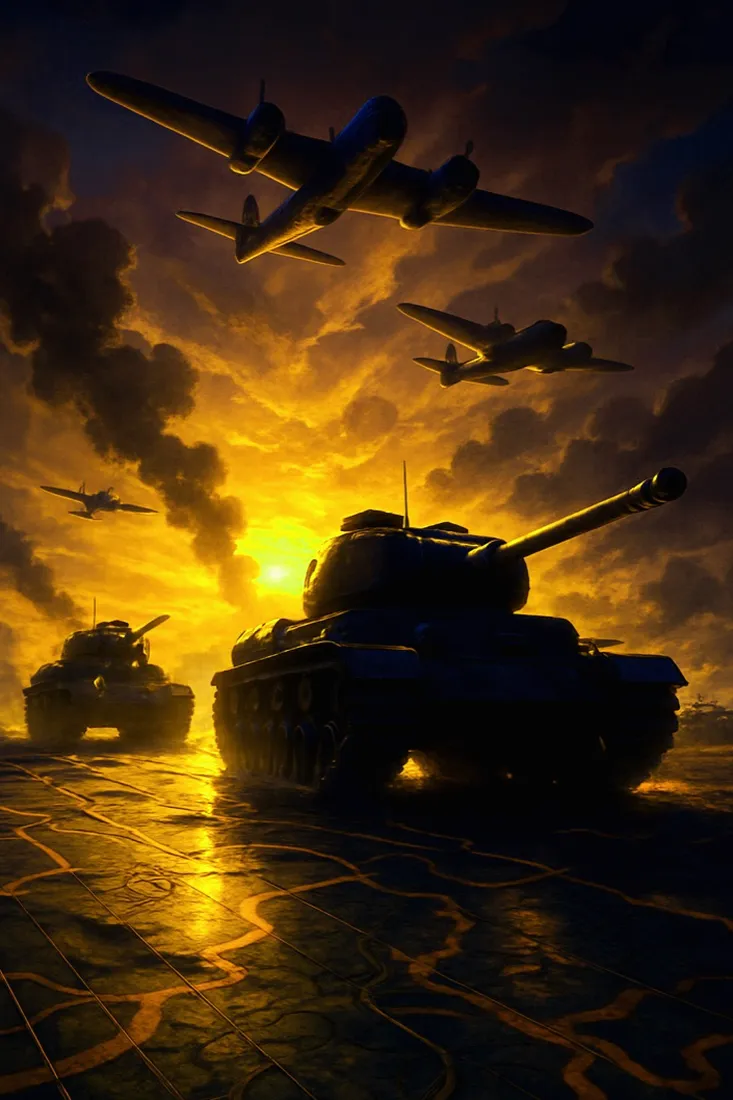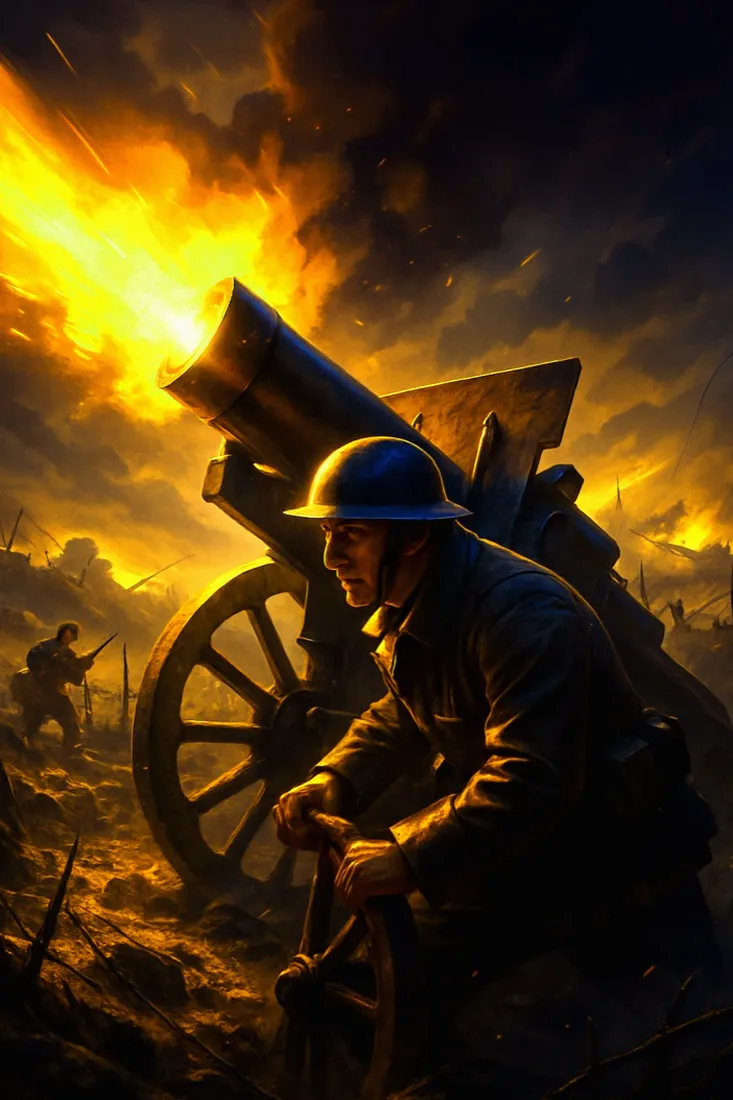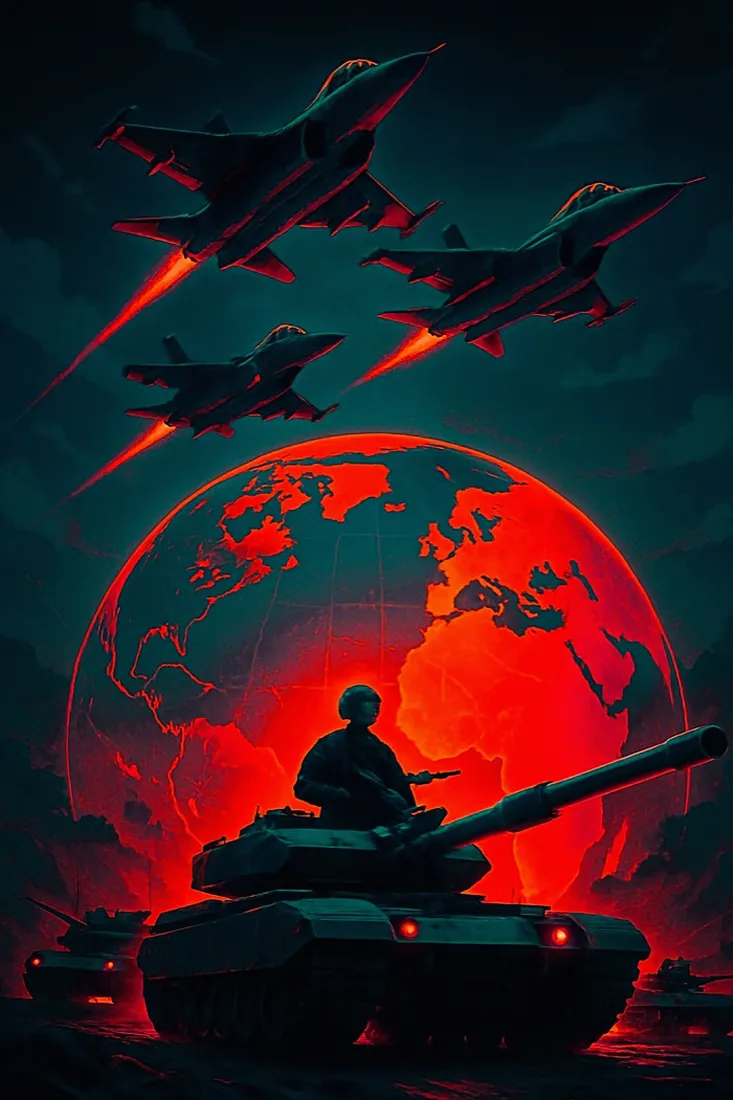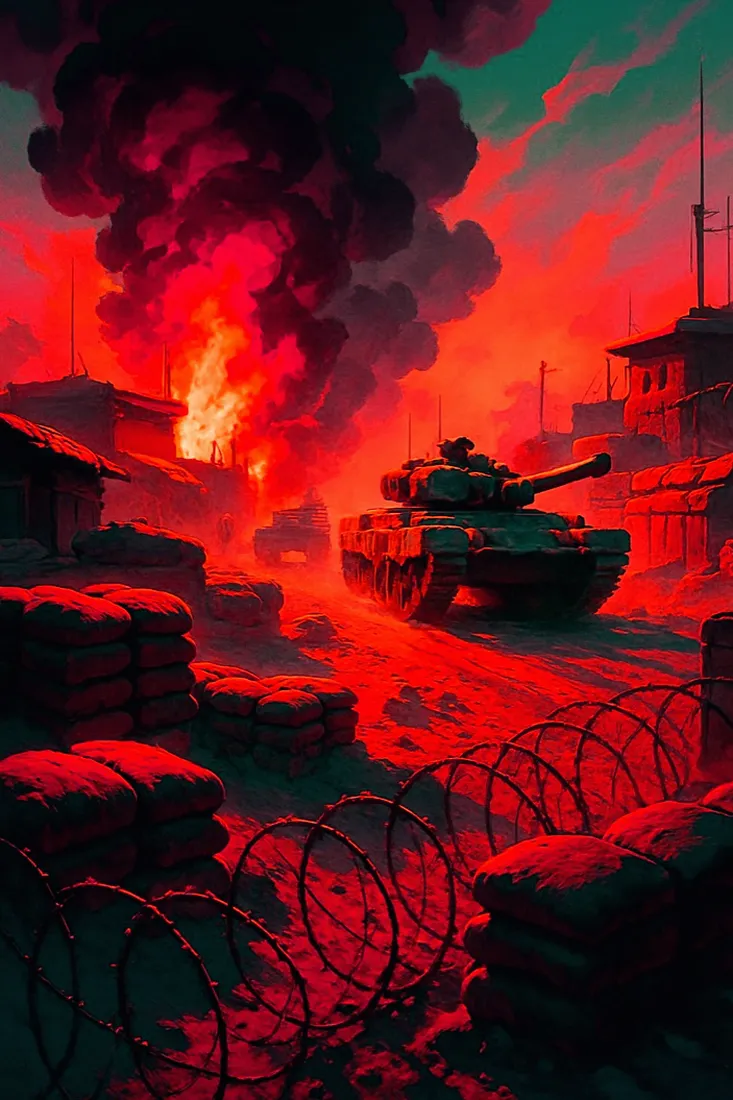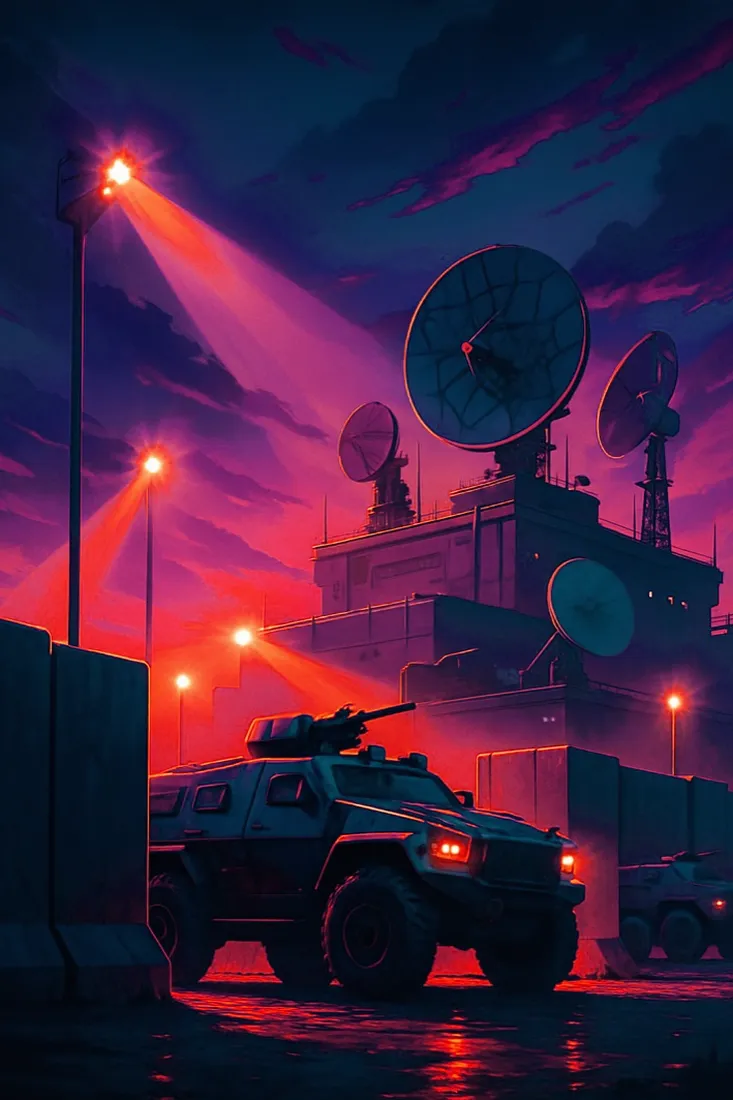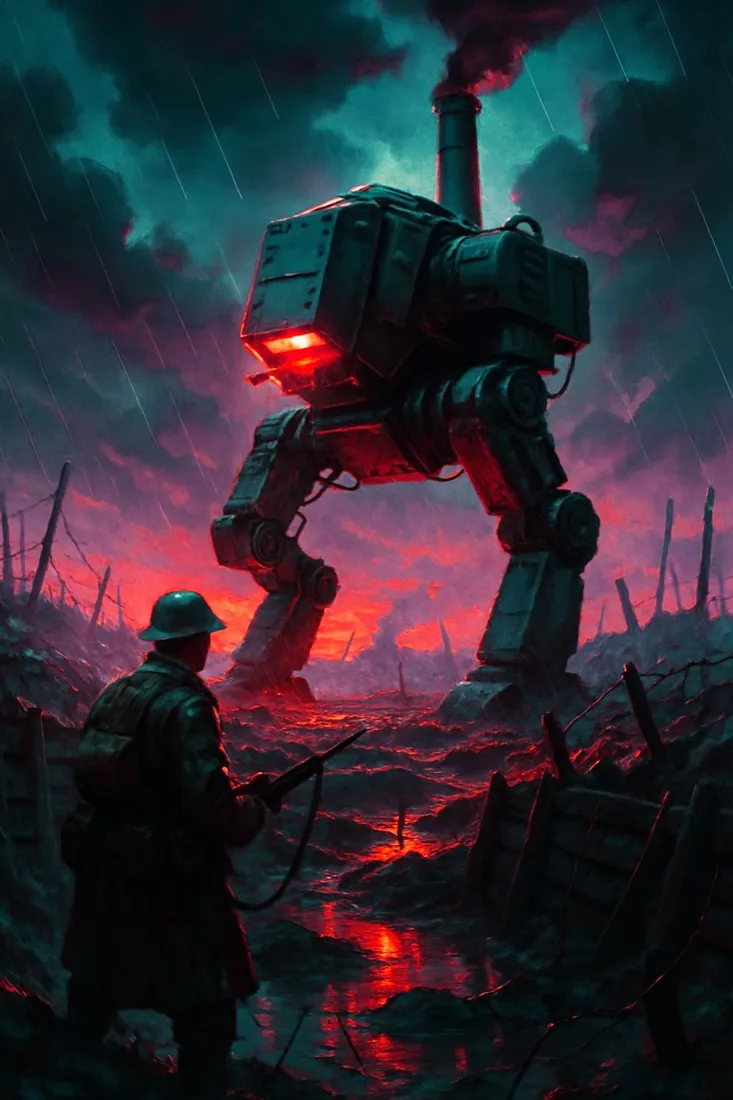
Iron Order 1919 asks a simple question: what if the First World War had never truly ended? In its alternate timeline a temporary armistice gives the powers of Europe time to rethink, and they come back with machines. Infantry and artillery share the battlefield with walking mechs, robots and enormous Titans, all styled with a mix of dieselpunk, teslapunk and steampunk influences.
Underneath the armour sits a familiar real-time grand strategy game. You build your nation's economy, research technology, raise forces and negotiate with other players. The key difference is scale: maps are designed for up to 26 players, which makes every rival a known quantity. We played a full match and found it more personal, more chaotic and, at times, more fun than its larger relatives.
Provinces with personality and an economy to match
Each province has its own properties, which affect the resources it yields and the terrain your forces must cross. The economic layer will feel familiar to anyone who has played a long-match strategy game in the browser: build up your strongest provinces, keep resources balanced and avoid raising more units than you can sustain. It is approachable, and the smaller map means you get a clear picture of your neighbours' economies quickly.
Trade is a useful tool here, and a dangerous one. The game's own description warns that everyone becomes a potential enemy when power is at stake, and that is an accurate summary of our match. A trading partner in week one became a hostile neighbour in week two once it had built up its own Titans. Keeping an eye on what you sell, and to whom, became part of our defensive planning.
Mechs, Titans and a battlefield that feels new
The machines are the reason to play. Mechs and robots fill roles that tanks and armoured cars occupy in the historical games, but with a stranger silhouette and a sense of menace. Titans sit at the top of the tree, massive units described by the game as offering extraordinary power and versatility. When one appeared on our border in the third week, the coalition chat went very quiet for a moment.
The mix of historical units and fantastical creations works better than we expected. Infantry and artillery remain useful throughout, which keeps the war grounded, while the machines add spectacle and new tactical questions. You cannot simply build the biggest machine and win; supply, positioning and support still matter. Fans of conventional history may find the fiction distracting, but we found it gave the familiar formula a welcome jolt of energy.
A smaller map where everyone knows your name
With up to 26 players per map, matches feel tight. You meet your neighbours quickly, the political landscape is easier to read, and a single betrayal can reshape the whole match. We liked how quickly diplomacy became personal: within two days we knew which rivals were active, which were cautious and which were already eyeing our borders. That intimacy is a real strength for players who find the huge maps overwhelming.
The flip side is that there is less room to hide. On the largest maps of other games, a quiet nation can build in peace for a week. Here, someone will usually test your borders early, and an inactive ally leaves a real hole. Coalitions matter, but they are smaller and more fragile. We found the pace slightly quicker than the historical games, which suits players who want results sooner.
Regular updates and the shop beneath the steel
The publisher describes regular updates that expand the lore and introduce new gameplay elements, and the world does feel actively tended. The setting has room to grow, and the alternate history gives the designers freedom to add machines and storylines that would not fit a strictly historical game. Iron Order 1919 also runs on mobile, which helps when a smaller map means rivals arrive faster.
Like its relatives, the game sells premium currency that speeds up production and research. On a smaller map, a well-funded neighbour can feel more threatening because they are always close by. Our free run stayed competitive with careful economy management and a reliable small coalition, but we felt the pressure more keenly than on the larger Great War map. Fairness is decent rather than generous.
Iron Order 1919: the opening offensive
- Study the province properties around your capital and build up the ones whose resources feed the machines you want later.
- Message every neighbour early; on a map for up to 26 players, you will deal with most of them before the match ends.
- Research a solid infantry and artillery base before chasing mechs, so you can hold the line while the machines are built.
- Be cautious with trade and note which partners are building military strength alongside their economies.
- Form a small coalition of two or three active players and agree on a shared plan for the first Titan you face.
What we love
- Mechs and Titans give the familiar formula a striking new look and feel.
- Smaller maps make every rival personal and every betrayal memorable.
- Province properties add a pleasing layer of economic and terrain decisions.
- Alternate history frees the game from the expected script of the war.
What grates
- Purists may find the dieselpunk fiction pulls them out of the period.
- Less space to build quietly before neighbours begin testing your borders.
- Well-funded rivals feel more threatening on such a compact map.
The general Iron Order 1919 needs
Strategy players who like a bit of fiction with their history and prefer a smaller, more personal map. If giant walking machines on a Great War battlefield sound exciting rather than silly, and you want a match where you know every rival, this is your posting.
Iron Order 1919: the after-action report
Iron Order 1919 is the most characterful game on our shelf. Its alternate-history setting, striking machines and tighter maps make for a livelier, more personal war than the larger grand strategy titles. It lacks a little of their depth and the shop bites harder on a small map, but it is a genuinely distinctive campaign and a great second front for anyone who already loves the genre.