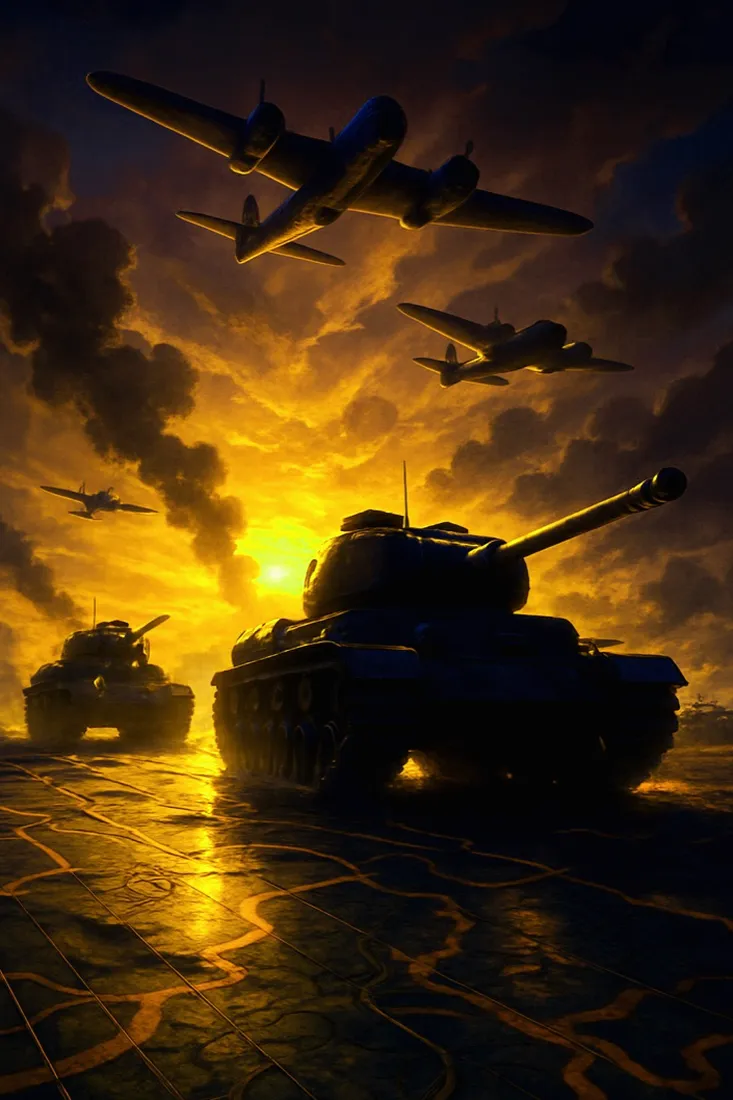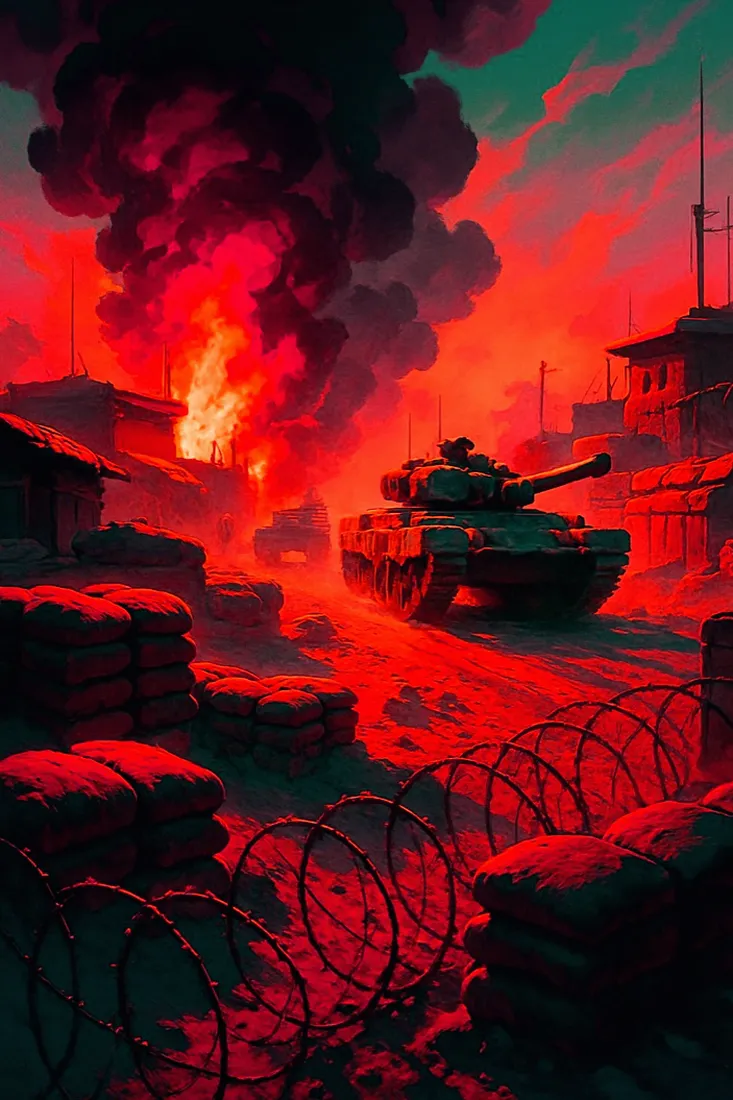
Conflict of Nations takes the long-match, real-time formula and drops it into the twenty-first century. The store listing now carries the name Supremacy: World War 3 on Steam, and its pitch is a world one step from all-out war. You command a nation, research modern equipment, and decide whether to build alliances, keep your head down or reach for global dominance.
We played a full match on a large global map, picking a coastal nation to see how the naval game held up. It held up well. Carriers, submarines and maritime patrol aircraft gave the war a reach the Great War and Second World War games cannot match, and our coalition, scattered across several time zones, covered the map around the clock in a way that felt almost like a real command structure.
Three doctrines and the gear that defines them
Early on you choose one of three military doctrines, each with its own technology tree. That choice changes how you think about every war that follows: some paths encourage heavier, slower forces while others reward speed and precision. We liked that the decision carried weight from the very first day. Two players in the same coalition with different doctrines complement each other in a way that feels designed rather than accidental.
The hardware is the obvious draw. The Steam listing names the Nimitz-class carrier, the MiG-29 Fulcrum and the Leopard 2 among the units on offer, and modern weapons extend to nuclear and chemical options late in a match. These arrive at significant cost and invite retaliation, so they tend to shape diplomacy as much as battles. The tech tree as a whole is deep and asks for real commitment.
A world map that never quite sleeps
The largest maps hold up to 140 players, according to the Steam listing, and in practice the world feels busy. Real-time movement means jets cross oceans in reasonable time while ground forces grind more slowly, so you are always balancing quick air strikes against the patient work of holding territory. The interface shows unit ranges and movement clearly, which matters a great deal when a mistake costs a fleet.
Because the map is global, the war never settles into one front. Our coastal nation spent the first week fending off probing raids from the sea, the second building up a land border, and the third supporting allies on the far side of the map with air power. That variety keeps long matches interesting, though it also means you cannot afford to ignore your nation for a full day without risking an unpleasant surprise.
Coalitions as a real chain of command
Coalitions are central. Matches can be won together, and the best groups behave like a small staff, with members taking responsibility for regions, sharing intelligence and scheduling offensives for times when most of the coalition is online. Ours had a player in Britain and others further east and west, which meant someone was nearly always watching the map. That rolling coverage is a large part of what makes the modern game work.
The flip side is that a disorganised coalition struggles badly. Modern forces move fast enough that a neglected border can collapse before anyone responds. We recommend joining a coalition with an active chat over a large but quiet one, and agreeing early on who handles what. Players who enjoy the planning and communication side of strategy will find this deeply rewarding; solo players may feel outnumbered by organised groups.
The cost of keeping pace for free
Conflict of Nations has a visible premium layer, with currency that speeds up production and research. In a fast-moving modern war those boosts matter more than in the slower Great War game, and we noticed paying players reaching advanced units earlier. Our free run stayed competitive largely because of our coalition; a lone free player would have found the middle of the match tougher going.
The game also asks for a substantial time investment. Matches lasting days to weeks need several check-ins daily, and the pace of modern combat means those check-ins carry more weight. If you can commit that time and enjoy coordinating with others, the depth is excellent. If you can only manage a quick look before bed, one of the slower or smaller games on our shelf will treat you more kindly.
Conflict of Nations: the opening offensive
- Read through all three doctrines before picking one; the choice shapes your research for the rest of the match and cannot be undone.
- Build a solid air defence early, because modern air power can strike deep into an unprepared nation within hours.
- Join an active coalition quickly and agree which regions each member watches, especially across different time zones.
- Invest in your economy before chasing advanced units; a strong production base pays off later in the match.
- Scout your neighbours' coastlines and airfields so you know where a surprise attack is most likely to come from.
What we love
- Recognisable modern hardware gives the war a vivid, contemporary flavour.
- Three doctrines make early choices meaningful and coalitions complementary.
- Global maps keep long matches varied with several fronts at once.
- Coalition play can feel like a genuine staff working round the clock.
What grates
- Premium boosts feel stronger here than in the slower historical games.
- Neglecting your nation for a day can be costly in a fast modern war.
- Solo players may struggle against well-organised coalitions.
The general Conflict of Nations needs
Players drawn to modern militaries who enjoy coordinating with a group and can spare several check-ins a day. If the idea of planning a carrier strike with an ally in another time zone excites you, this is your front. Newcomers might start with Call of War first.
Conflict of Nations: the after-action report
Conflict of Nations is the most ambitious game on our shelf: a global map, modern hardware, meaningful doctrines and coalitions that operate like a chain of command. It asks a lot of your time, and the shop is more noticeable than in the historical games, but with a committed group it delivers the richest sense of a world at war. A strong third, and first for modern-era fans.