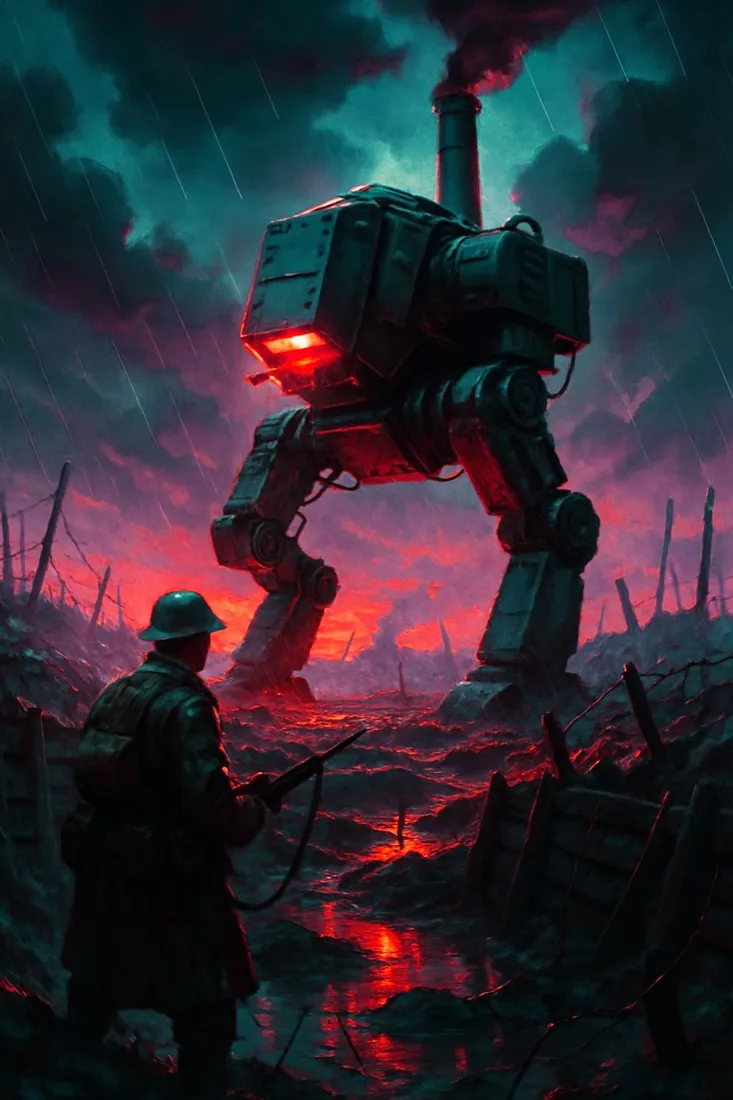
War Commander is the odd one out on our shelf, and that is precisely why it is here. There is no world map of nations to govern. Instead you build a base, fill it with walls, turrets and production buildings, then attack other bases with an army you control directly. When you order a tank to move, it moves now, and you watch it happen.
The game has a long history. It entered open beta on Facebook in 2011, and when Flash reached the end of its life it survived through an HTML5 version that runs in modern browsers. We spent three weeks building, raiding and rebuilding, and found a game that delivers short bursts of genuine tactical excitement alongside a fair amount of waiting.
Walls, turrets and the art of the base layout
Your base is both home and puzzle. The Command Center sits at its heart, with production, research and construction menus branching out from it, and around it you lay out walls, turrets and resource buildings. Placement matters enormously. A turret line that covers approaches from several angles can shred a careless attack, while a gap in your walls invites raiders straight to your most valuable buildings.
We rebuilt our layout several times over the three weeks, each time after a successful raid against us had shown which buildings fell first. That loop of loss and redesign is satisfying in a way the map games cannot quite match: you work out where your defence failed and you fix it with your own hands. Players who enjoy tower-defence thinking will find plenty to chew on here.
Raids you actually drive, unit by unit
The defining feature is control. When you attack, you issue orders to your units in real time: move these tanks around the flank, focus fire on that turret, pull damaged infantry back before they are lost. The wiki notes that the AI takes over once you stop issuing orders, so you can let a well-placed group fight while you focus elsewhere. That blend of direct command and automation works well.
The comparison most players reach for is the classic real-time strategy games of the nineties, and it is fair. Picking apart a defence by finding the weak angle, then driving a small group through it, gives a real jolt of satisfaction. Raids are short and intense, which suits evenings when you have half an hour rather than half a day. Nothing else on our shelf is quite so immediate.
Platoons, research and the rhythm of events
Units are organised into platoons that you deploy and manage, and building a balanced platoon of infantry, vehicles and aircraft becomes a long-term project. Research unlocks better units and upgrades, while quests offer resources and experience for completing objectives. The world map, added in an expansion back in 2012, lets you find bases by sector and choose your targets.
Regular events offer new blueprints and goals, and they shape the rhythm of play. During event weeks there is a reason to raid more often and push your platoons harder; between events the game settles into a calmer rebuild-and-research loop. We enjoyed the events for the variety, though they also highlight how much faster a paying player can progress when there is a deadline.
Timers, upgrades and the patience tax
War Commander has the familiar free-to-play shape: buildings and upgrades take time, and premium currency can skip the wait. The early game moves briskly, but by our third week upgrades were taking long enough that we planned sessions around them. Paying players clearly progress faster, and the gap shows most clearly in event leaderboards and in the strength of the bases you meet.
Still, the hands-on raiding gives free players a genuine edge: skill in battle matters. We successfully raided bases that looked stronger on paper simply by finding the weak angle and controlling our units carefully. The game runs only in a desktop browser; Kixeye's own help centre lists Chrome, Firefox, Opera GX and Chromium Edge, and notes that Safari is no longer supported for the newer HTML5 version.
War Commander: the opening offensive
- Build your Command Center up steadily and place your first turrets to cover the approaches to your resource buildings.
- Complete early quests in order; they provide resources and experience that speed up the first days considerably.
- Practise raiding weaker computer-controlled bases before attacking players, to learn how your units move and fight.
- After every raid on your base, note which buildings fell first and adjust your walls and turret placement to close the gaps.
- Use a supported browser such as Chrome or Firefox, since Safari is no longer supported for the HTML5 version.
What we love
- Direct unit control during raids is genuinely thrilling and skill-based.
- Base layout is a satisfying puzzle you refine after every loss.
- Short, intense raids fit neatly into a busy evening.
- Events bring fresh blueprints and a welcome change of rhythm.
What grates
- Upgrade timers stretch out noticeably after the first couple of weeks.
- Paying players progress much faster, especially during events.
- Desktop browser only, with Safari no longer supported.
The general War Commander needs
Players who want to command individual units in real time rather than move armies across a map. If you grew up on classic real-time strategy and like the idea of a base you refine after every defeat, War Commander will give you short, sharp evenings of tactical fun.
War Commander: the after-action report
War Commander offers something the grand strategy games cannot: the thrill of driving your own tanks through an enemy's defences. Its base building is a satisfying puzzle, raids are short and skilful, and events keep the rhythm fresh. Timers and a stronger premium pull hold it back, but for hands-on commanders it remains a long-lived, worthwhile front.